Journey of Sri Lanka’s Heritage and culture diversity
The Art and Rituals Behind Ambalangoda’s Traditional Masks
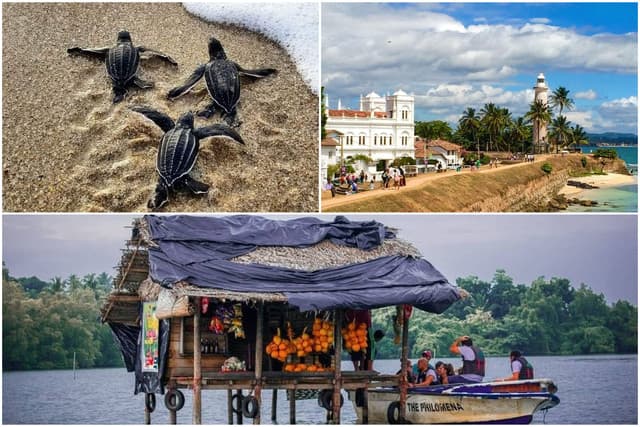
Galle
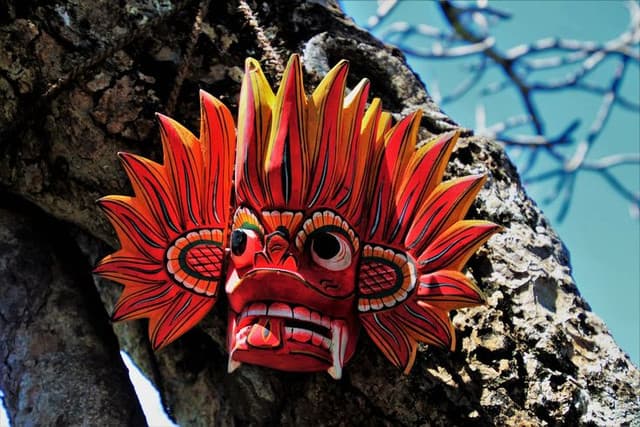
Photo Gallery
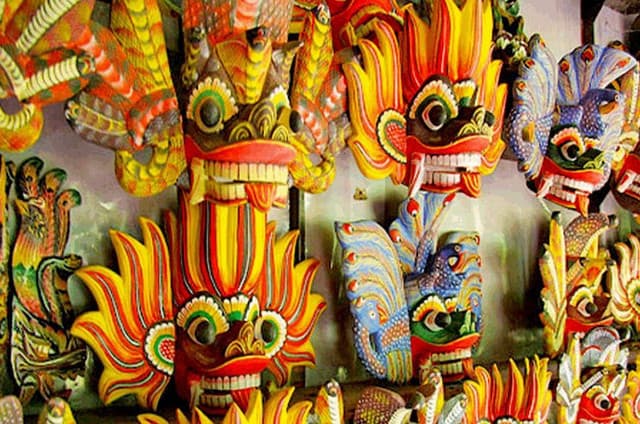
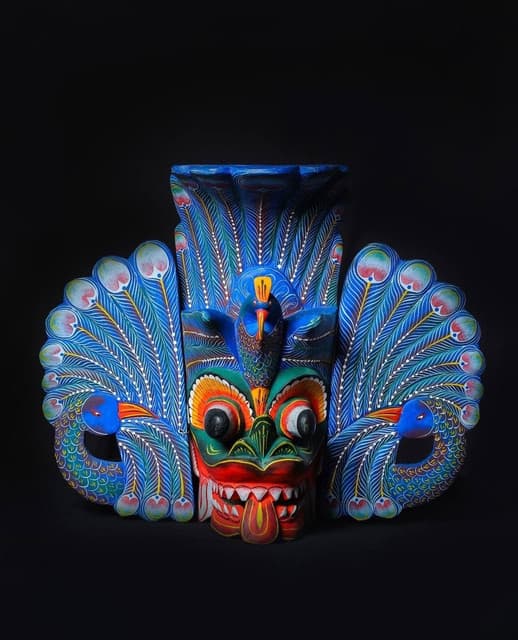
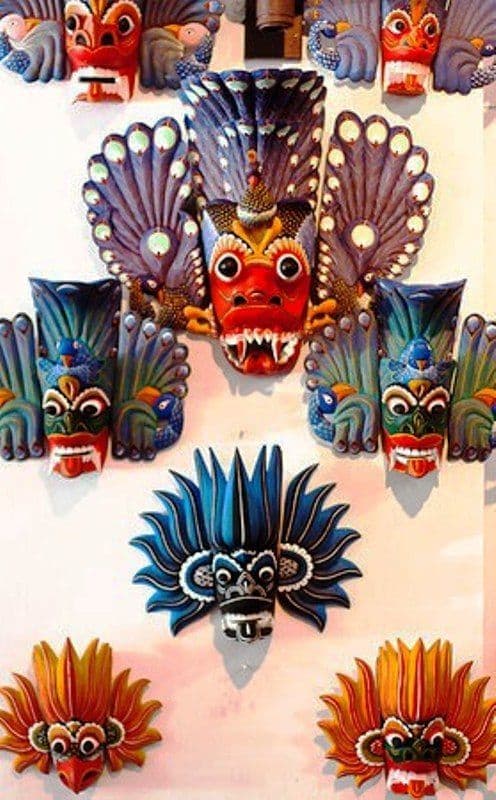
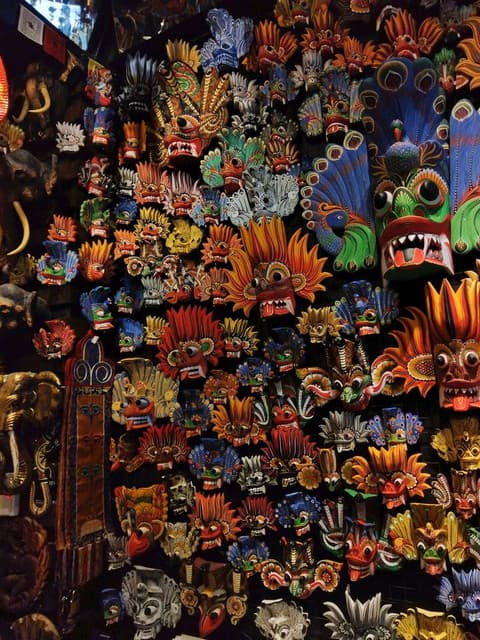
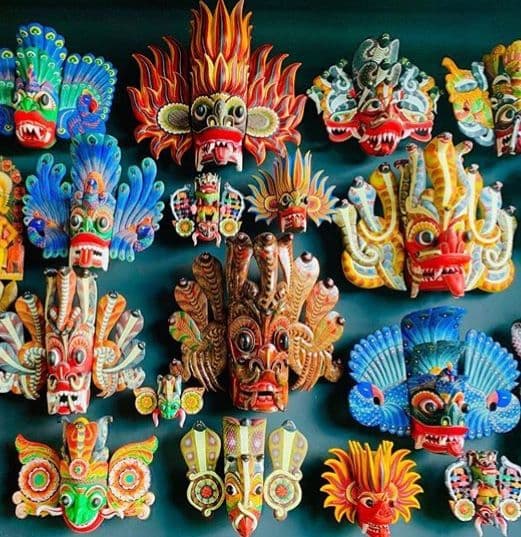
Ambalangoda, a coastal town in southern Sri Lanka, is renowned for its traditional mask making heritage. These masks are not merely decorative items but living expressions of Sri Lanka’s folklore, spirituality, and artistry, passed down through generations of skilled craftsmen. The tradition of mask making dates back centuries, with masks originally created for ritualistic performances such as Kolam dances, Sanni Yakuma healing ceremonies, and Devil dances. These performances combined storytelling, satire, and spiritual practices, with masks serving as powerful tools to represent gods, demons, animals, and mythological figures.
The craftsmanship behind Ambalangoda masks is remarkable. Artisans carve them from Kaduru wood, chosen for its lightness and durability. The process involves careful carving, smoothing, and painting with vivid colors, often using natural pigments to preserve authenticity. Exaggerated facial features, bold colors, and intricate detailing make each mask visually striking and unique.
🎭 Type of Masks
• Kolam masks: depict humorous village scenes and mythological tales.
• Sanni masks: represent illnesses/afflictions, used in healing rituals.
• Raksha masks: symbolize protective demons with fierce expressions.
Ambalangoda masks are more than works of art they are cultural artifacts that preserve Sri Lanka’s intangible heritage. They embody storytelling, spiritual beliefs, and community traditions, making them a vital part of the island’s identity. Today, Ambalangoda remains the hub of mask making, with artisans continuing the craft for cultural performances, tourism, and collectors worldwide. The Ariyapala Mask Museum offers visitors an immersive experience, showcasing the history, artistry, and symbolism behind these masks. For travelers, Ambalangoda provides a rare opportunity to witness traditional craftsmanship firsthand, explore workshops, watch artisans at work, and purchase authentic masks as souvenirs—each one carrying centuries of cultural meaning.
Ambalangoda’s traditional masks are not just colorful carvings; they are living expressions of Sri Lanka’s heritage, blending art, ritual, and storytelling into a timeless tradition that continues to captivate both locals and visitors.