Explore the vibrant culture and timeless history
Kelaniya Temple: A Journey Through Time, Art, and Devotion
Colombo
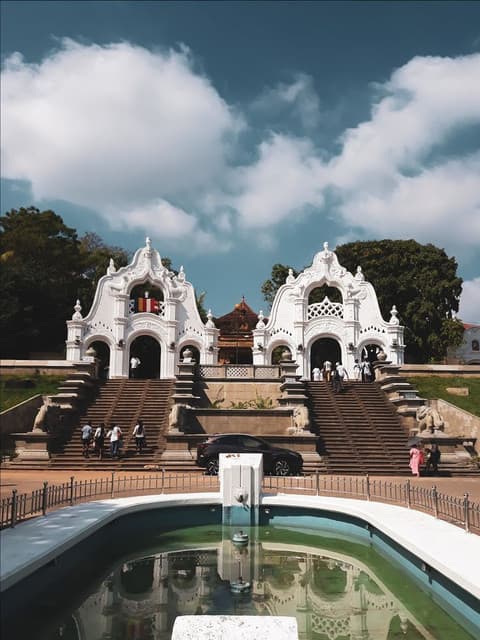
Photo Gallery
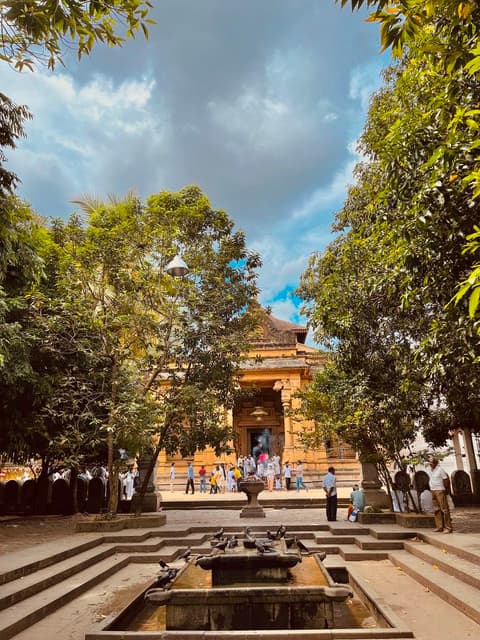
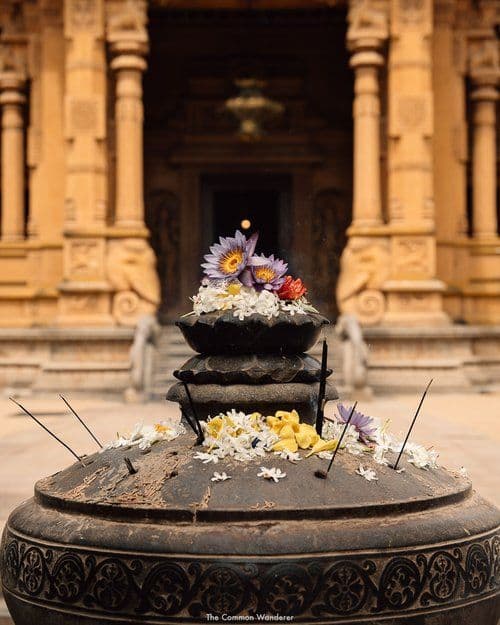
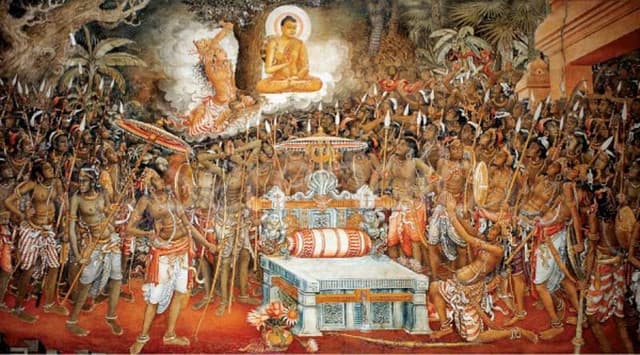
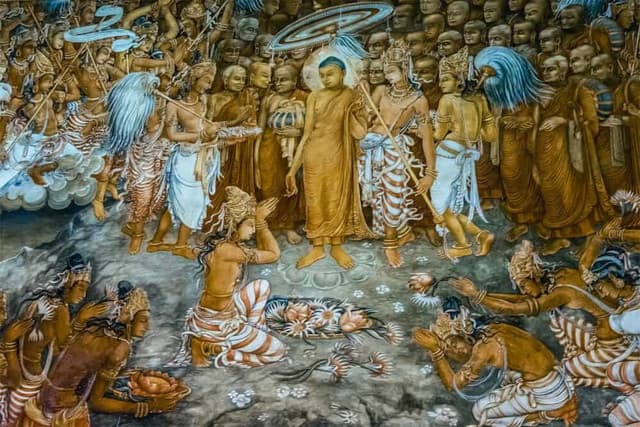
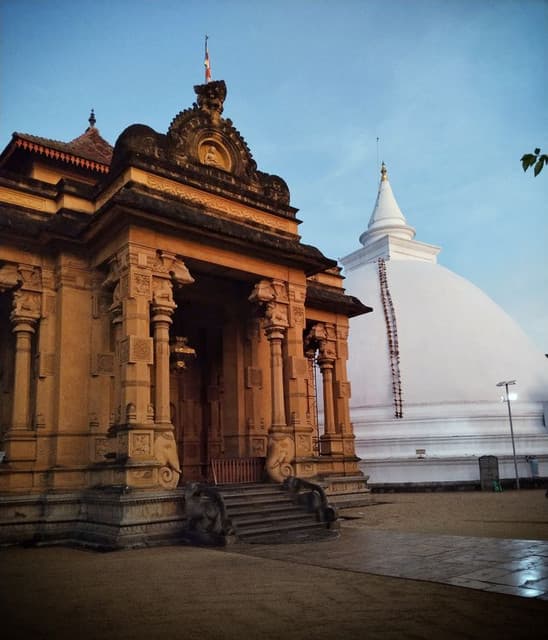
Kelaniya Raja Maha Vihara, more commonly known as Kelaniya Temple, is one of the most venerated Buddhist shrines in Sri Lanka. Its history stretches back over two millennia, with tradition holding that the Buddha himself visited the site during his third and final journey to the island. According to the Mahawamsa, the temple enshrines the jeweled throne on which the Buddha preached, making it a place of immense spiritual significance. Over the centuries, Kelaniya has been repeatedly destroyed and rebuilt—by South Indian invasions, Portuguese colonial forces, and later restored under the patronage of Sinhalese kings and philanthropists. This cycle of destruction and revival has made the temple a symbol of resilience, with its fortunes often seen as reflecting the broader fate of Buddhism and the nation itself.
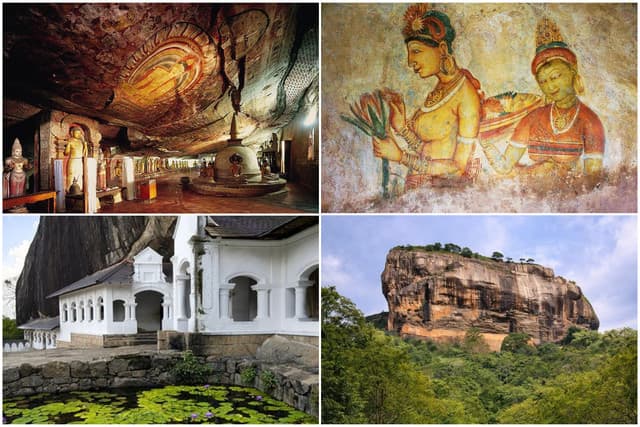
The temple is equally renowned for its artistic heritage, particularly the magnificent murals painted in the early 20th century by the celebrated artist Solius Mendis. These paintings cover the inner walls and vividly narrate Buddhist stories, including the Jataka tales that recount the Buddha’s previous lives. They also depict key episodes in Sri Lankan history, such as the arrival of Sanghamitta with the Bodhi tree sapling from India, and portray kings and cultural traditions in striking detail. Mendis combined classical Kandyan styles with modern techniques, creating works that are not only visually captivating but also serve as a form of education, preserving Buddhist teachings and national identity through art. The murals are considered masterpieces of temple painting in Sri Lanka, admired for their narrative depth and cultural symbolism.
Today, Kelaniya Temple continues to be a living center of worship and culture. It is believed that visiting the temple purifies one’s sins, and its annual Duruthu Perahera in January is among the grandest Buddhist processions in the country, featuring dancers, drummers, and elaborately adorned elephants. The temple has also attracted international recognition, with visits from global dignitaries underscoring its importance beyond Sri Lanka. In essence, Kelaniya Raja Maha Vihara stands as both a sacred site and a cultural treasure, embodying the intertwined history of Buddhism, art, and national identity.