Journey of Sri Lanka’s Heritage and culture diversity
Yapahuwa Rock Fortress – History, Legends, and Panoramic Views
Yapahuwa
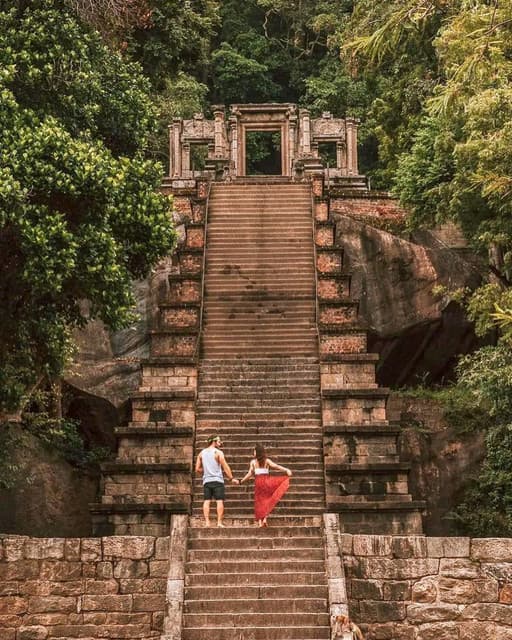
Photo Gallery
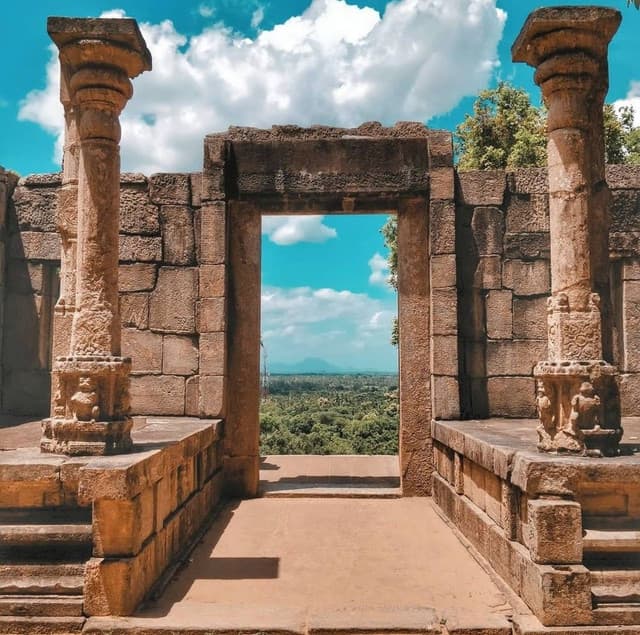
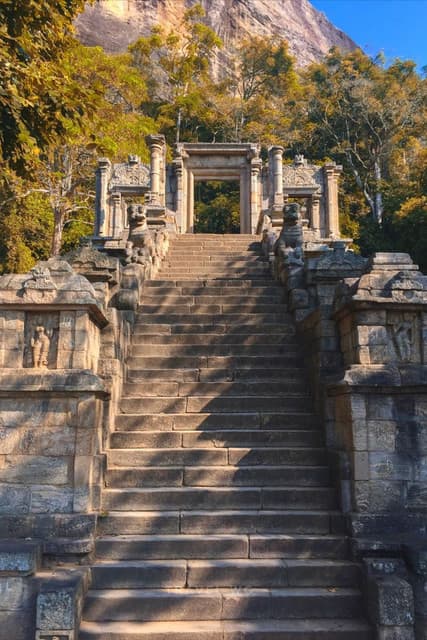
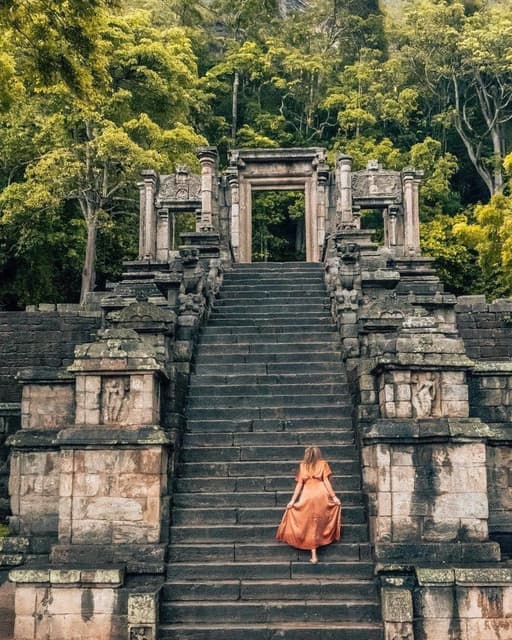
Yapahuwa is a hidden gem for travelers seeking history, adventure, and tranquility. The climb to the summit rewards visitors with panoramic countryside views, while the site’s serenity offers a peaceful alternative to crowded attractions like Sigiriya. Its blend of culture, archaeology, and scenic beauty makes it ideal for explorers, photographers, and heritage enthusiasts.
🎨 Craftsmanship Value
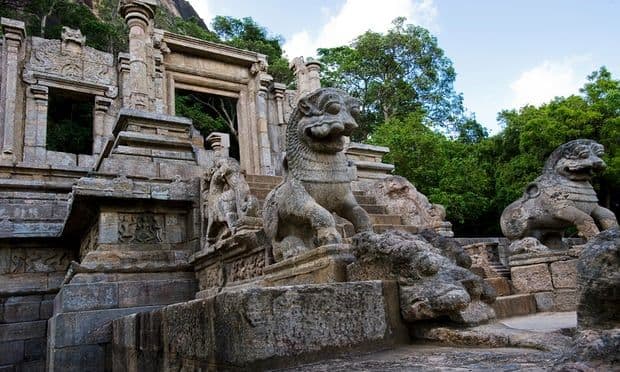
The fortress is renowned for its ornamental stone stairway, considered one of the finest achievements of medieval Sinhalese art. Intricate carvings of lions, mythical creatures, floral motifs, and guardian deities showcase the extraordinary skill of 13th‑century artisans. These masterpieces reflect both artistry and symbolism, honoring the Sacred Tooth Relic once housed here.
🏛 Architectural Value
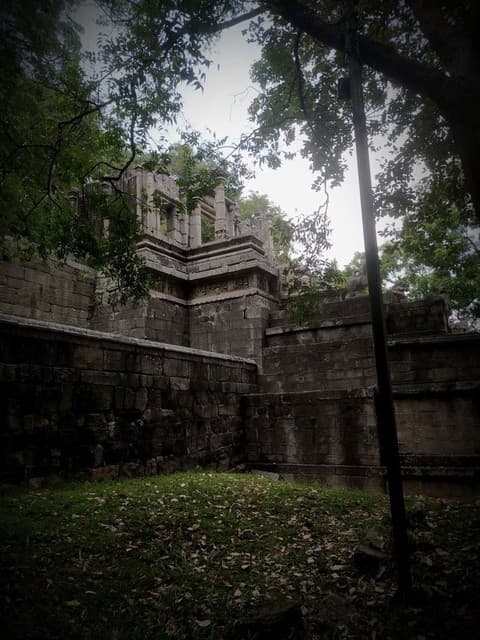
Yapahuwa’s design reveals the sophistication of medieval urban planning. The site integrates palace foundations, temples, ramparts, and moats, blending royal prestige, religious devotion, and defensive strength. The precision of stonework, balanced proportions, and decorative details highlight the engineering brilliance of Sri Lanka’s medieval builders.
⚔️ Military Value
Strategically located between Kurunegala and Anuradhapura, Yapahuwa was built as a formidable war fortress. Its steep rock face, fortified ramparts, and controlled gateways made it nearly impenetrable to invaders. As the capital in 1273, it stood as both a political center and defensive citadel, protecting the kingdom during turbulent times.