Healing Escapes in Sri Lanka’s Wilderness
Pigeon Island Trincomalee – Snorkeling with Reef Sharks & Turtles
Trincomalee
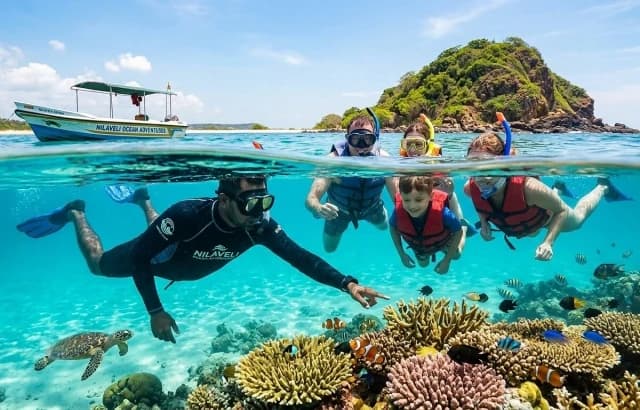
Photo Gallery
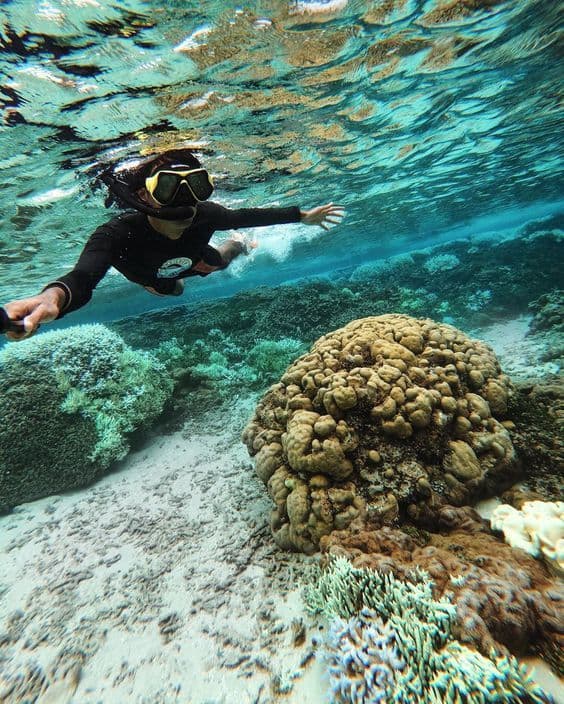
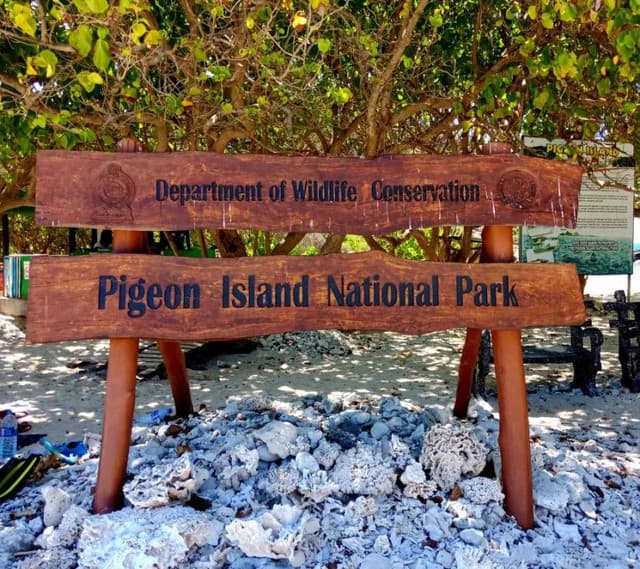
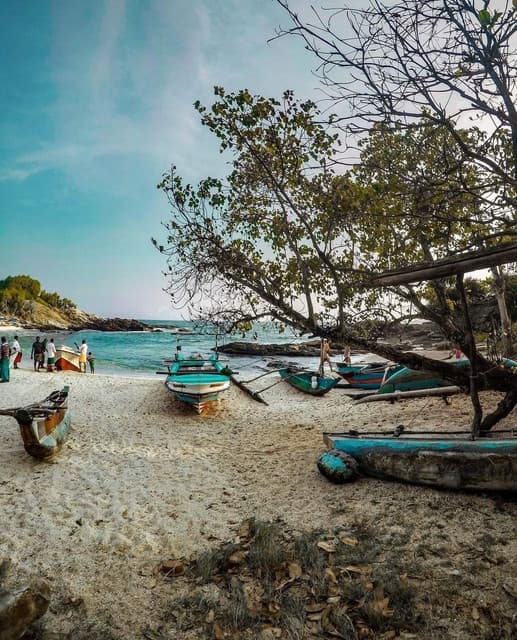
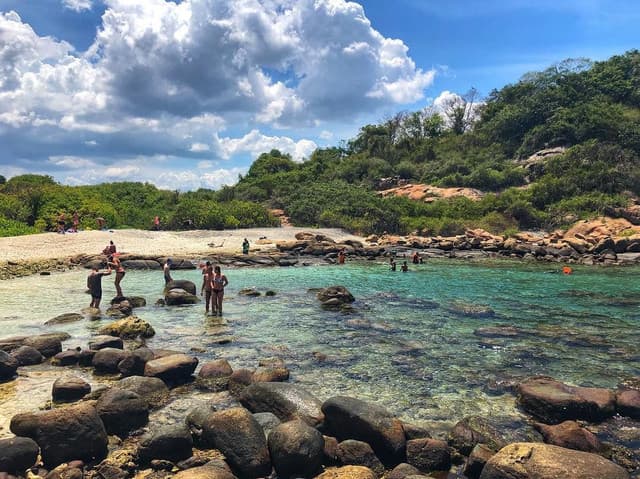
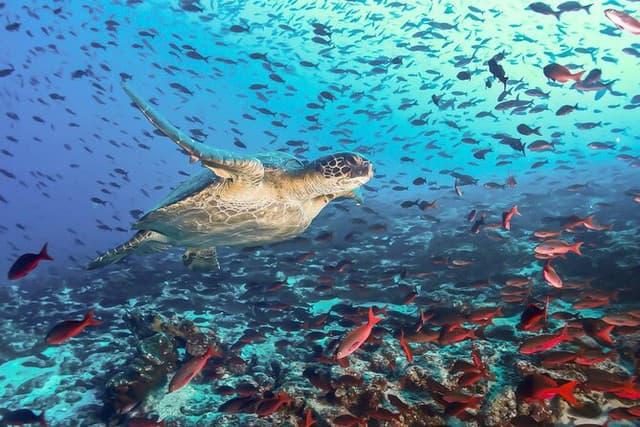
Pigeon Island National Park in Trincomalee is located just one kilometer off the coast of Nilaveli and is one of Sri Lanka’s most treasured marine sanctuaries. Surrounded by turquoise waters and pristine coral reefs, the island enchants visitors with its natural beauty both above and below the surface. Named after the rock pigeons that nest here, its true magic lies underwater, where shallow reefs create a kaleidoscope of colors with over 100 species of coral and hundreds of reef fish. Snorkelers are treated to unforgettable encounters with harmless blacktip reef sharks, graceful sea turtles, and vibrant schools of tropical fish, making Pigeon Island a paradise for ocean lovers.
Snorkeling at Pigeon Island is a highlight for travelers. Guests can swim alongside harmless blacktip reef sharks, glide past green and hawksbill turtles, and marvel at schools of parrotfish, butterflyfish, and clownfish. The reefs are shallow and accessible, making this adventure suitable even for beginners. Visibility during the east coast season (May to October) often exceeds 15 meters, offering crystal‑clear views of the underwater world.
The island itself is small and rocky, fringed by soft sandy beaches where visitors can relax between snorkeling sessions. Boat transfers from Nilaveli take only 10–15 minutes, making it an easy half‑day excursion. Most tours include snorkeling gear rental, though guests are encouraged to bring their own for comfort. While food and drink are not available on the island, Nilaveli Beach offers plenty of options before or after the trip.
Conservation is a key focus at Pigeon Island. As one of Sri Lanka’s most fragile reef ecosystems, it faces challenges from overtourism and climate change. Authorities enforce strict rules: visitors must avoid touching corals, maintain respectful distances from marine life, and use eco‑friendly sunscreen. These measures ensure that future generations can continue to enjoy this marine paradise.
The best time to visit is during the East Coast season (May–October), when seas are calm and visibility is at its peak. Entrance fees apply at the jetty, along with boat hire costs, but the experience of swimming among reef sharks and turtles in such a pristine environment makes it well worth it.