Ceylon Tea Heritage and Culture
Nuwara Eliya Tea Plantation Tours: Discover Sri Lanka’s Highland Heritage
Nuwara Eliya
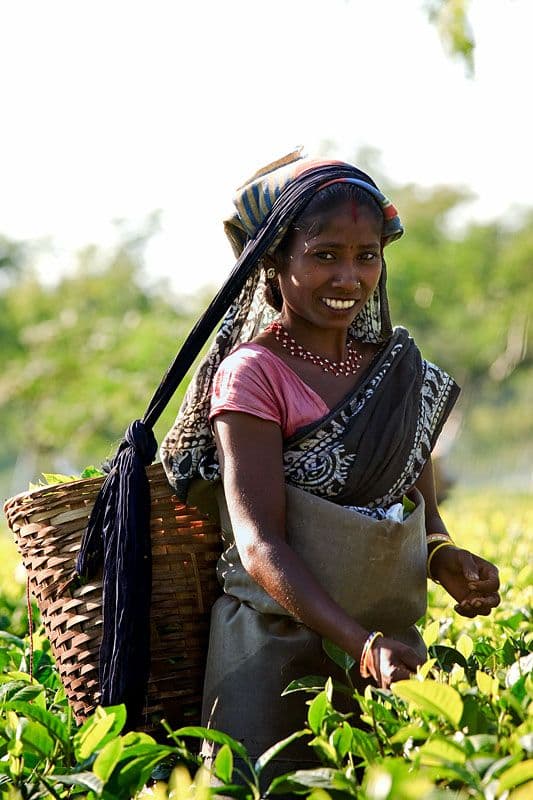
Photo Gallery
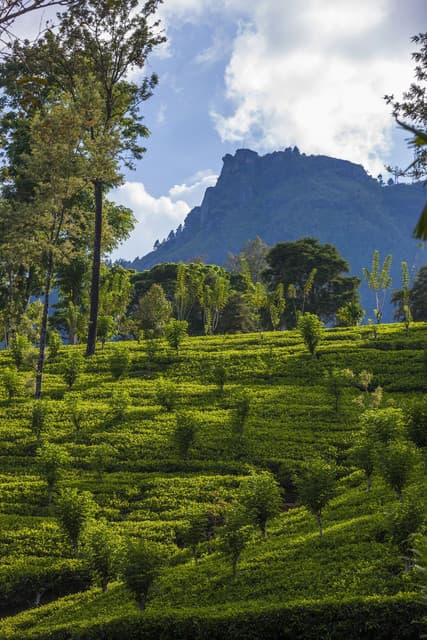
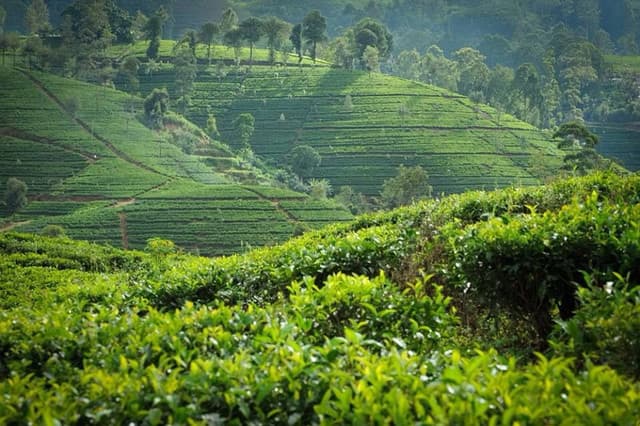
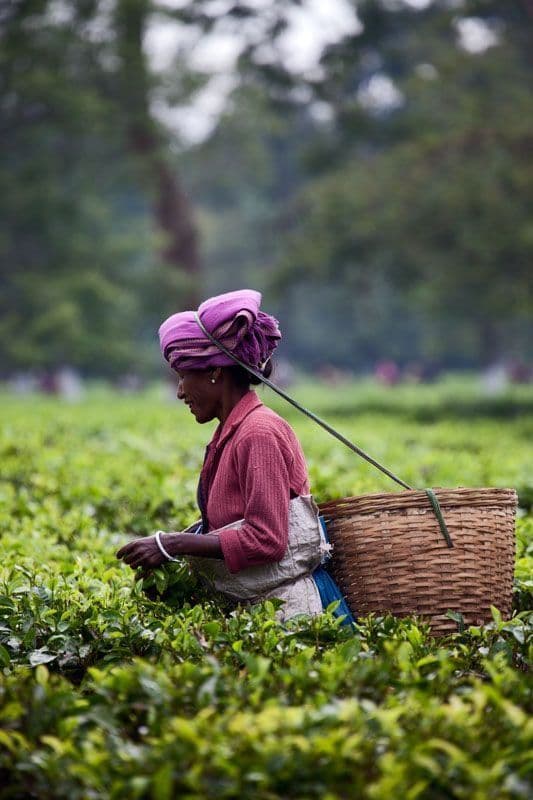
The tea plantations of Nuwara Eliya stretch endlessly across the hills, forming a breathtaking landscape of neatly trimmed tea bushes.
Tea plantations and factories play a vital role in Sri Lanka’s tourism industry. They offer visitors a unique cultural and educational experience while highlighting one of the country’s most important exports and historical legacies.
For travelers, tea estates in Nuwara Eliya represent more than just agriculture they symbolize Sri Lanka’s colonial heritage, natural beauty, and sustainable tourism potential. These attractions enhance the country’s image as a destination that blends nature, culture, and authentic experiences, making Sri Lanka unforgettable to visitors from around the world.
Why Nuwara Eliya Tea Plantations Are Special
Cool climate & high altitude: At 1,868 meters above sea level, Nuwara Eliya’s crisp air and misty hills create the perfect conditions for world-famous Ceylon tea.
Colonial heritage: Many tea factories date back to the British era, offering visitors a glimpse into history.
Immersive experiences: Guests can walk through lush plantations, watch tea pluckers at work, and tour factories to see the full tea-making process.
What Visitors Can Do
Factory Tours: Learn how tea leaves are withered, rolled, fermented, dried, and packed.
Tea Tasting: Sample different grades of Ceylon tea, from light high-grown varieties to stronger mid-grown teas.
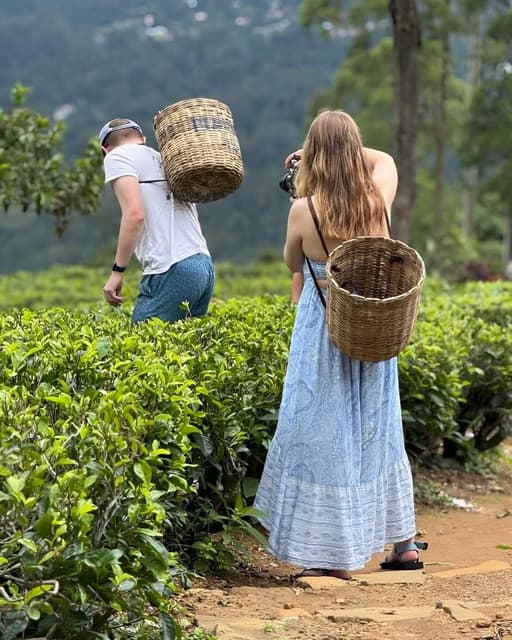
Plantation Walks: Stroll through emerald-green fields and interact with tea pluckers.
Photography: Capture misty hills, colonial buildings, and vibrant green landscapes.