Explore the cities and colors of life
Negombo Treasures: From Beach Bliss to Colonial Echoes
Negombo
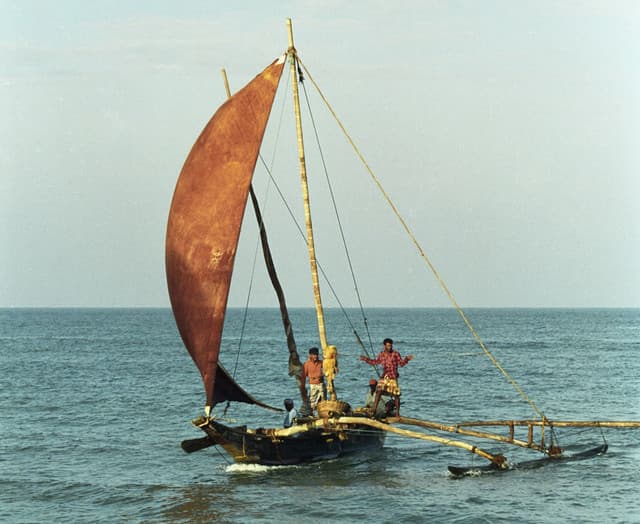
Photo Gallery

Nestled along Sri Lanka’s western coastline, Negombo is a city where the ocean meets history, and tradition blends seamlessly with modern life. A tour through Negombo offers travelers a chance to experience golden beaches, colonial landmarks, bustling markets, and the timeless rhythm of fishing communities.
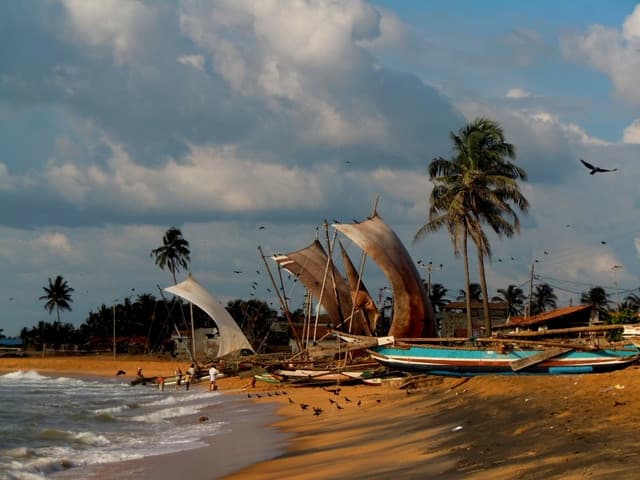
Browns Beach is one of Negombo’s most famous stretches of sand, drawing visitors with its wide shoreline and swaying palms. The beach is perfect for sunbathing, swimming, or simply watching the waves roll in. As evening approaches, the horizon glows with spectacular sunsets, making it a favorite spot for photographers and couples alike. The lively atmosphere, dotted with beachside cafés and resorts, ensures that Browns Beach is both a place of relaxation and vibrant coastal energy.
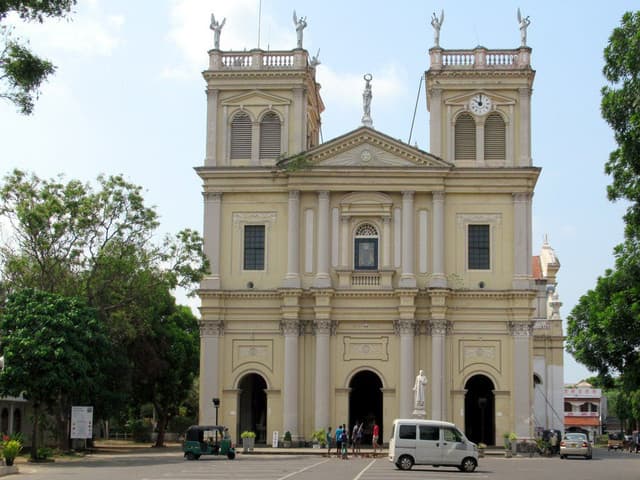
Negombo is often called “Little Rome” because of its many historic Catholic churches, a legacy of Portuguese and Dutch colonial influence. These antique churches, with their ornate facades and stained-glass windows, stand as cultural treasures. Walking inside, visitors are greeted by serene interiors filled with centuries of devotion and artistry. Each church tells a story of faith and resilience, offering a glimpse into the city’s deep-rooted Christian heritage.
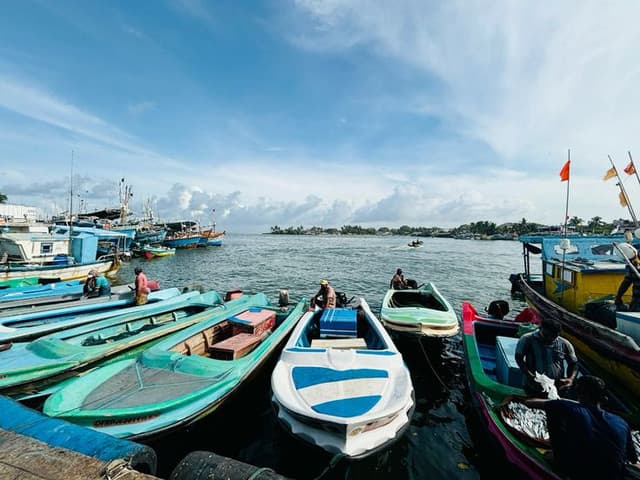
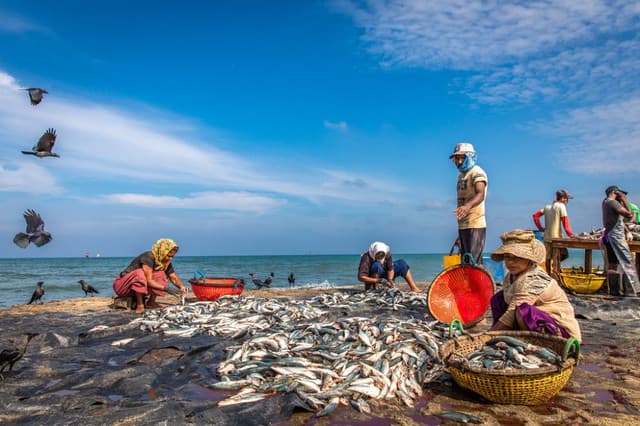
The Negombo Lagoon Fish Market is a sensory experience unlike any other. Fishermen arrive early in the morning with their fresh catch, and the market quickly fills with the sounds of bargaining, laughter, and the aroma of the sea. Visitors can watch locals trade everything from prawns and crabs to tuna and mullet. It’s a lively hub that reflects the city’s dependence on the lagoon and the ocean, and it offers travelers a chance to taste the freshest seafood straight from the source.
Standing as a reminder of Negombo’s colonial past, the Dutch Fort was originally built in the 17th century. Though only remnants remain today, the fort’s walls and gate still echo the strategic importance of Negombo during the Dutch era. Exploring the site allows visitors to imagine the city’s role in maritime trade and defense centuries ago. It’s a quiet yet powerful landmark that connects modern Negombo to its layered history.
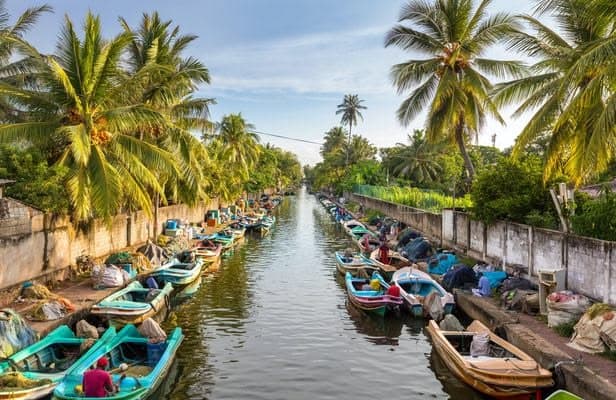
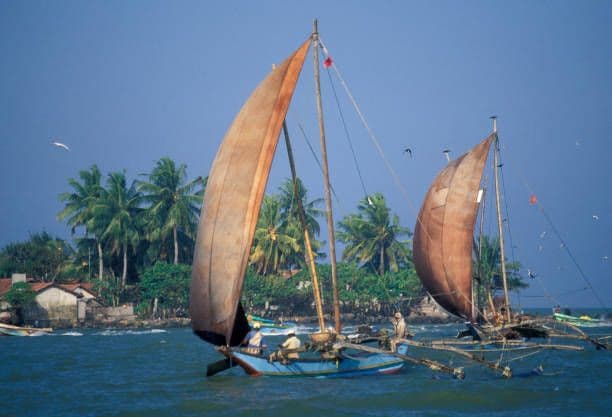
Perhaps the most enchanting sight in Negombo is the fleet of traditional sailing boats, known locally as “oruwa.” These wooden catamarans, with their striking triangular sails, are still used by fishermen who rely on age-old techniques to catch fish. Watching them glide across the lagoon or the open sea is like stepping back in time. The boats are not only functional but also symbolic of Negombo’s enduring fishing culture, representing the harmony between man and ocean.